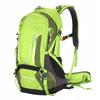
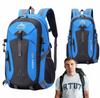
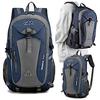
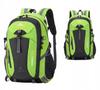
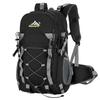
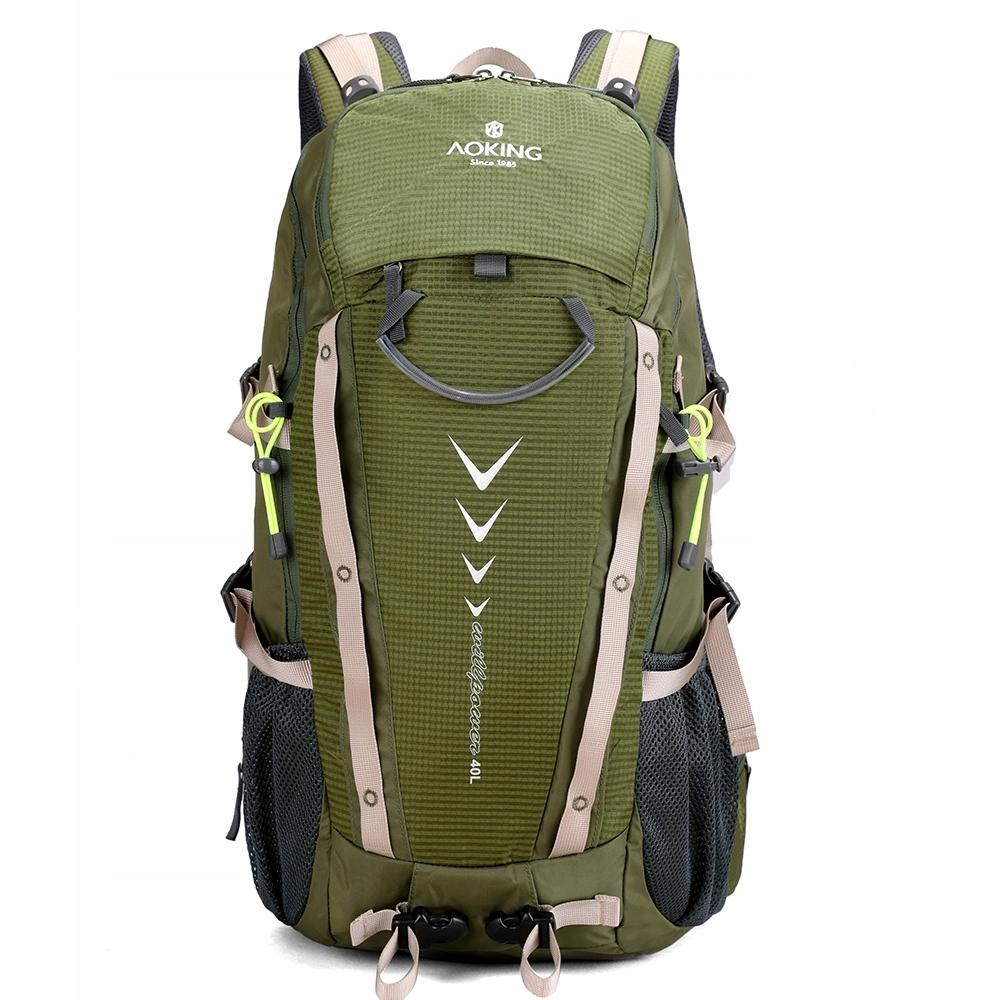
AOKING 40L Green Hiking Backpack
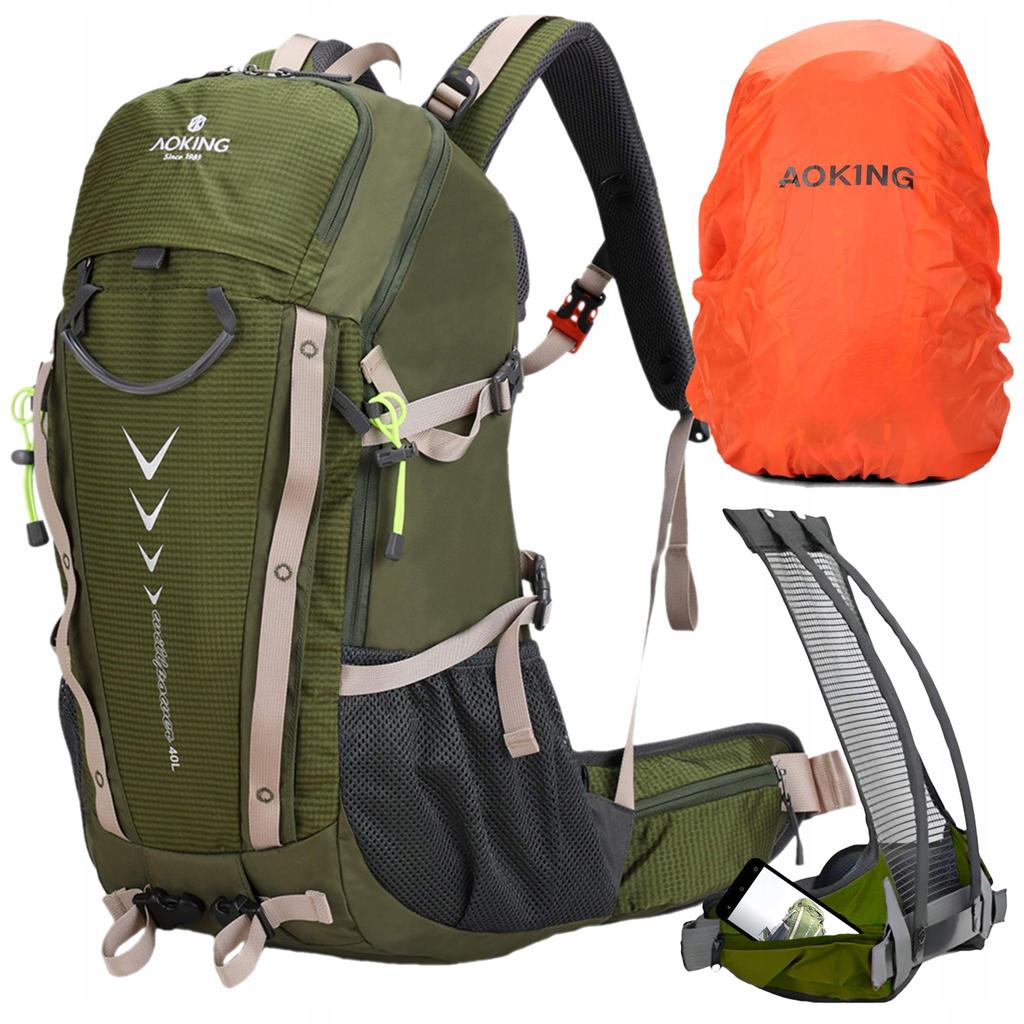
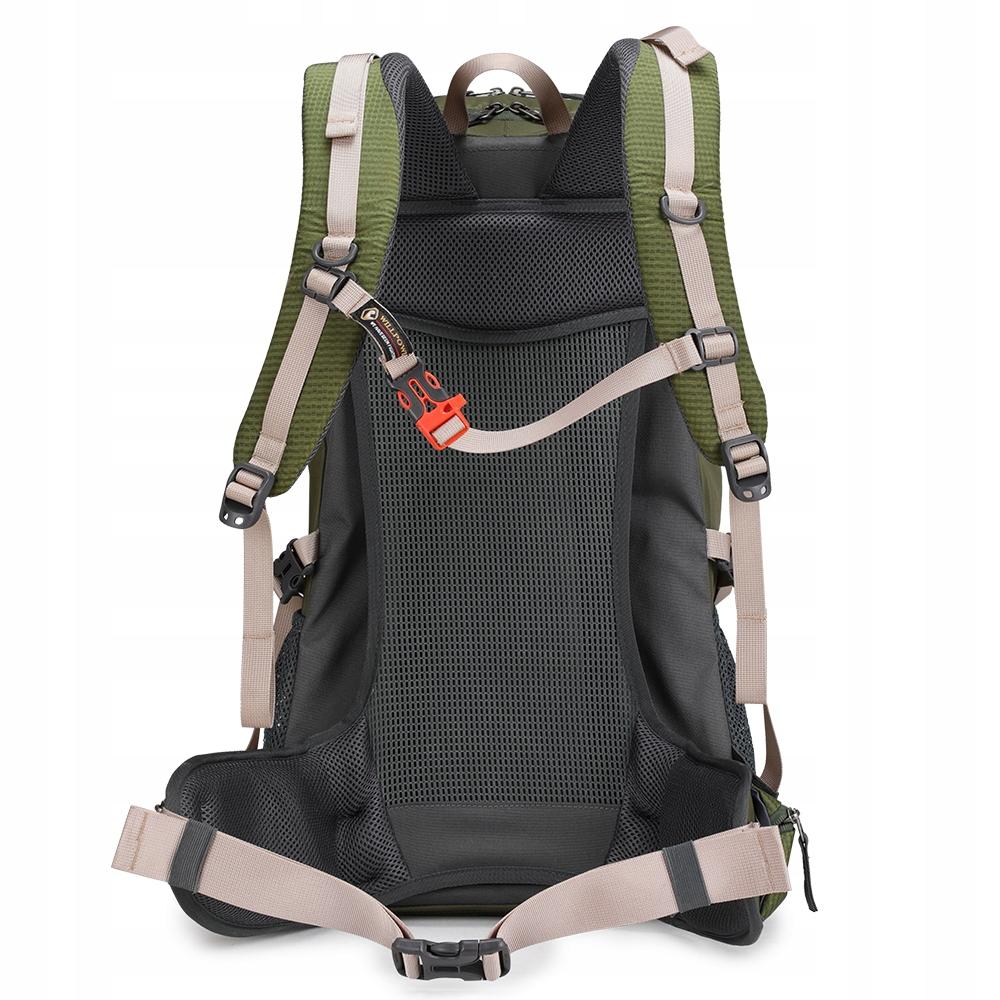
• with a removable frame
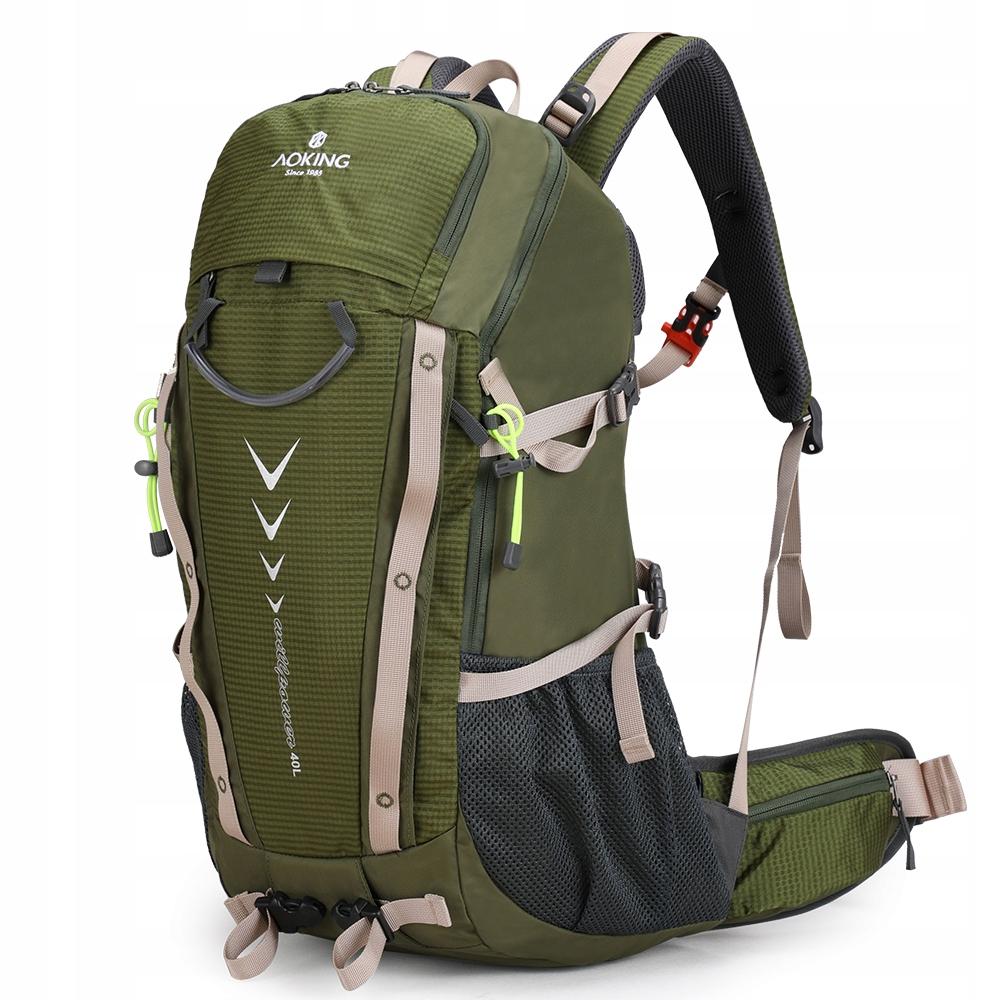
• many pockets
• waterproof zippers
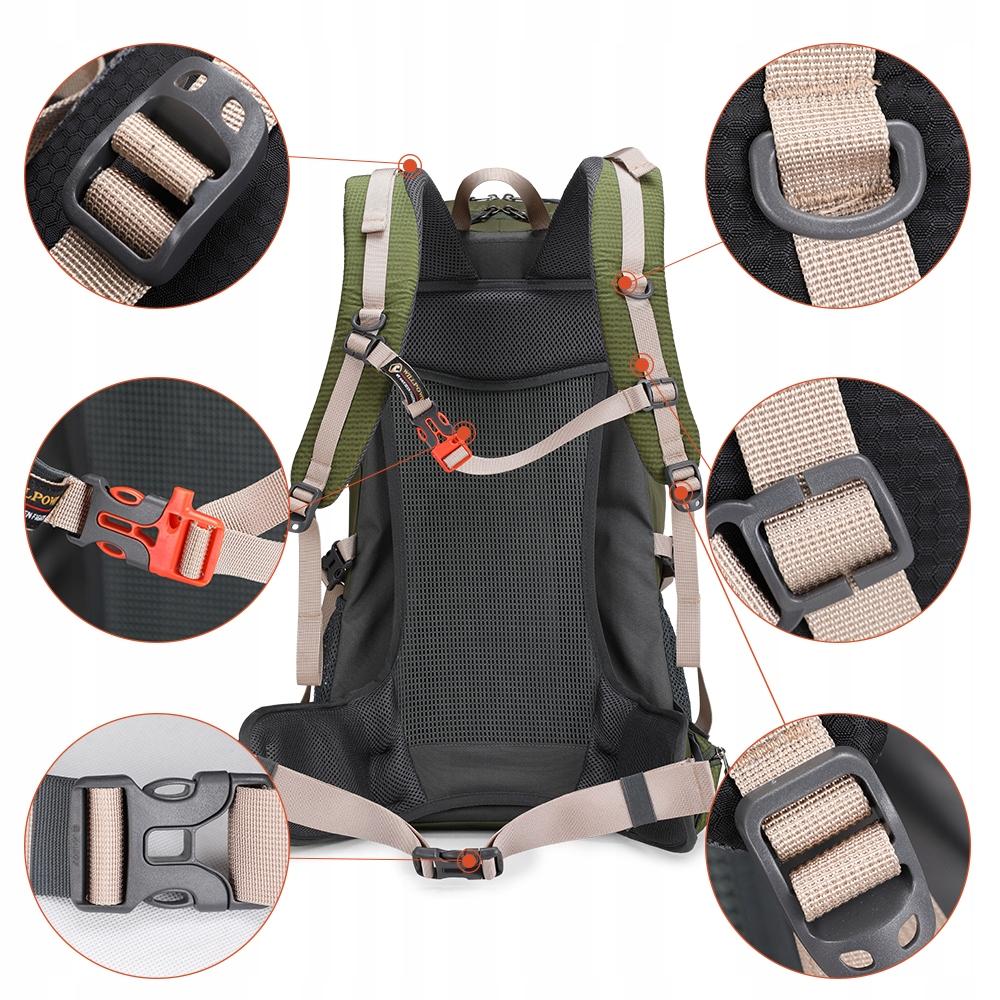
• with adjustable shoulder straps in several planes
• with a chest and hip belt
• ventilated shoulder straps and back
• holders for additional luggage
• laptop pocket
• reflective print
• Dominant color: shades of green
• EAN: 6938215854627
• Manufacturer code: YJN79807G
• Brand: Aoking
• Model: YJN79807
• Condition: New
• Additional features: reflective elements, water bottle holder, trekking pole holder, hip belt, Chest strap, rain cover, adjustable carrying system, frame, back ventilation system, harness ventilation system, waterproof, with a flap, with a laptop compartment
• Capacity: 20-40 l
• Gender: boy, girl, woman, man
• Dominant material: polyester
• Manufacturer's color: green
• Height: 53 cm
• Width (longer side): 34 cm
• Depth (shorter side): 22 cm
• Number of compartments: 2
• Number of pockets: 7
• Weight without frame: 0.6 kg
• Product weight with individual packaging: 1.2 kg
Forty-liter hiking backpack
made of nylon, which provides higher durability against damage from use such as abrasion, puncture, or other damage than materials commonly used in the production of everyday backpacks.
Designed for tourists who value quality workmanship and an interesting design. It performs well in various weather conditions. Perfect for mountain hiking. The impregnated material protects against soaking, and numerous comfort-enhancing features will serve their purpose regardless of the weather or your needs.
The backpack's attachment system and proper positioning on your back ensure ideal distribution and cushioning of the backpack's contents relative to the user. This, along with the additionally padded shoulder straps and adjustable hip belt, contribute to optimal weight distribution.
Concealed zippers further protect against moisture ingress or damage.
Additional side straps are designed not only to properly distribute the backpack's contents but can also, together with the lower belt loops, serve as attachment points for trekking poles or skis, making the backpack suitable for both hikers and skiers.
Multi-level adjustment of the shoulder straps allows for:
• adjustment and correct positioning on the back thanks to the drawstrings at the top of the backpack
• proper positioning of the chest strap
• adjustment of the shoulder strap length - classic drawstrings
1. Front flap pocket - can be used for small documents. Due to its zipper design - access is more practical when the backpack is in a horizontal position.
2. Top flap pocket - unlike the previously discussed one, it is slightly larger with a wider access angle, with a zipper that closes from the top, so it is easiest to access when the backpack is in a vertical position. Additionally divided by a divider so that you can sort the contents as you like.
3. The main compartmenthas an additional internal pocket for other larger luggage, documents, or a laptop.
4. The second compartment - a pocket extending across the front of the backpack - with side access and a hidden zipper provides an alternative space useful for luggage that you want to separate from the rest.
5. The side - spacious mesh pockets - equipped with an elastic band, will easily hold drinks useful during travel, or e.g. dirty shoes that you don't necessarily want to put in the main compartment.
6. Mini pockets on the hip belt - can be used as additional space for the most important things like cards or small change.
The hip belt integrated with the mesh frame gives the backpack rigidity and ensures high comfort during potential exertion during a longer trip.
On the sides there are small pockets for small, handy luggage items such as an ATM card, entrance tickets, keys or simply change.
The frame consists of four slats (two vertical and two horizontal, between which an elastic mesh is stretched.
Attachment to the backpack is done via specially designed loops, and in the upper part the potential slipping of the frame is secured with a strong Velcro, on the entire length of the top strap.
Depending on your needs, the backpack can be used with or without a frame.
The advantage is the previously mentioned stiffness and structural air circulation, as well as transferring the backpack's weight either to the hips or shoulders. However, if you are going for quick shopping or a short trip, you can omit the frame, which will additionally reduce the backpack's weight by an additional 500-600g.
How to pack a backpack?
Regardless of whether your trip will be longer or shorter, it is worth trying to adjust the straps and preferably try how your backpack will be "carried" before leaving in full "gear", so it's worth considering the following tips:
• Arrange your belongings in your backpack so that the most necessary items are immediately accessible after opening the packed backpack.
• Try to place heavier items closer to your back and not necessarily at the very bottom.
• Don't leave empty spaces between items.
• It's better to try packing the backpack with the side straps tightened, and only if something doesn't fit, gradually increase the depth of the backpack.
• Not everything has to be packed inside. Maybe you can attach some items to the outside of the backpack?
• Try not to expand the backpack sideways - this can restrict arm/shoulder movement.
• Perhaps it's worth attaching something to the eyelets on the shoulder straps at the front to counterbalance the weight.
• And if you see that you have too much to take with you, ask yourself: Is there anything you can give up? Or maybe your backpack is too small?
What is worth having in your backpack when going to the mountains for a few days?
• a raincoat, a sleeping bag, a change of clothes, soap, disinfectant gel,
• a first aid kit containing individual medications, paracetamol, ibuprofen, anti-diarrheal and anti-nausea medicines, a thermometer, and just in case, it is also worth having dressings, gauze, bandages, chemical plasters, foil Thermal,
• The most necessary documents such as ID, passport, insurance card, plus copies of these documents on a pendrive.
• Whistle, lighter, flashlight with batteries.
• Knife, pocket knife or multi-tool, pencil, notebook, rubber bands, cable tie, string, cutlery set, map, compass, GPS.
• Water bottle or thermos, map, charged power bank.
• Cash in small denominations, ATM card.
The list of things you take with you should, of course, be adjusted to the weather conditions, the length of the trip, accommodation conditions, and potential distances from the accommodation.




 Rimborso per mancata consegna