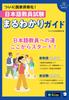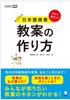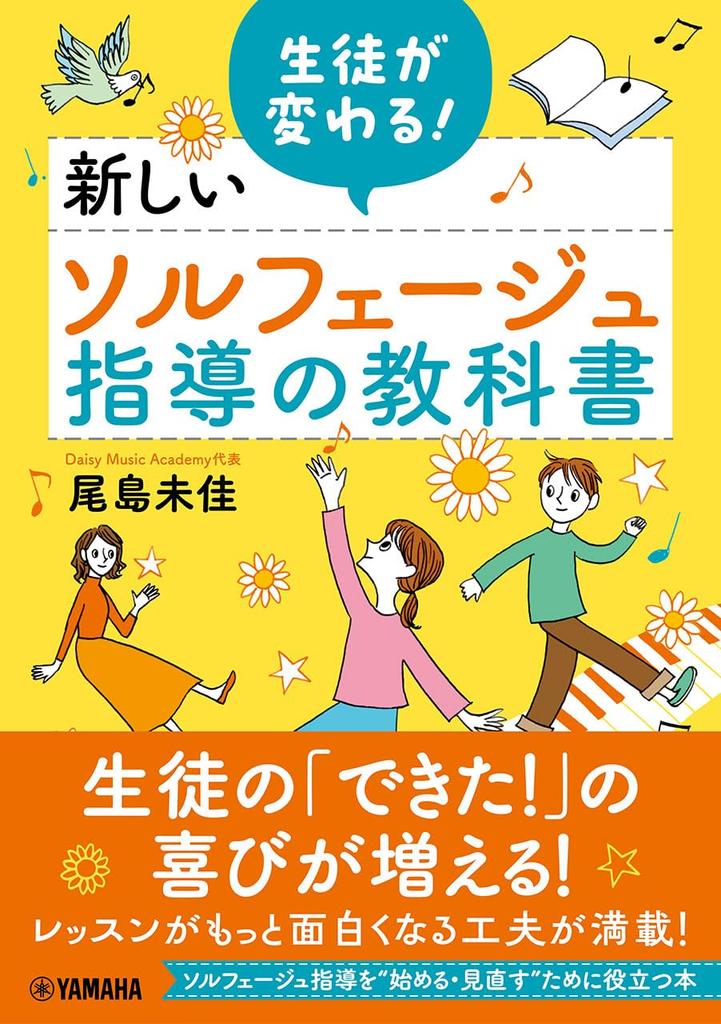


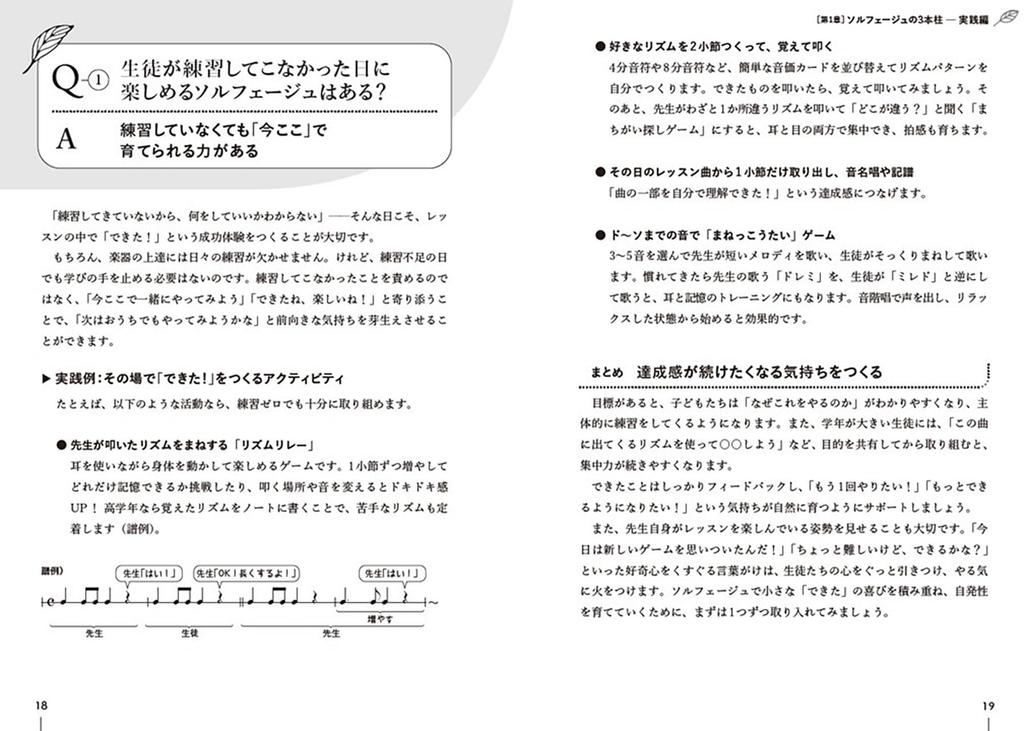


YAMAHA Solfège Teaching Textbook for Student Improvement


 Rimborso per mancata consegnaGaranzia di qualitàLogistica sicuraTutela della privacy
Descrizione
[Product Description]
This book makes solfège lessons more enjoyable, featuring over 100 practical lesson examples! It helps teachers solve common problems related to solfège for both teachers and students.
Whether it's "slow student progress," "difficulty memorizing and lack of confidence," or "struggling to read sheet music"—if you have many solfège teaching materials but don't know how to guide students to enjoy lessons more—this book is for you. By applying some of the tips from this book, you can motivate students and foster their independence, leading to more enthusiasm and the joy of music, with voices saying "I want to do more!" and "Music is fun!".
It includes a theoretical section that provides fundamental knowledge and a practical section that offers solutions to real classroom challenges. From numerous lesson examples to completely new methods, find hints to make your lessons more enjoyable.
[Table of Contents] Introduction How to Use This Book
Chapter 1 ● The Three Pillars of Solfège [Theoretical Section] 1. Solfège as an essential foundation for music 2. The three pillars of music: Sight-reading, Rhythm, and Pitch 3. Developing "Memorization Skills" through solfège 4. What kind of solfège instruction attracts children? 5. Teaching styles suitable for modern children
[Practical Section] Q1: Are there solfège exercises that can be enjoyed on days when students haven't practiced? Q2: How to keep students who get bored easily engaged? Q3: How to correct habits like stopping during performance? ...etc.
Chapter 2 ● Teaching Methods to Strengthen "Sight-Reading Skills" [Theoretical Section] 1. Teaching sight-reading as "reading a story" 2. Five techniques for sight-reading① Horizontal reading 3. Five techniques for sight-reading② Vertical reading 4. Five techniques for sight-reading③ Pattern recognition 5. Five techniques for sight-reading④ Rhythm reading 6. Five techniques for sight-reading⑤ Diagonal reading ● Mini column ─ Filling the gaps in "busy lessons" and developing sight-reading skills 7. "Small steps" and "psychological support"
[Practical Section] Q7: What to do when students can read note cards but struggle with sheet music? Q8: How to handle confusion between notes on lines and spaces? Q9: What to do when students show no interest in sight-reading? ...etc.
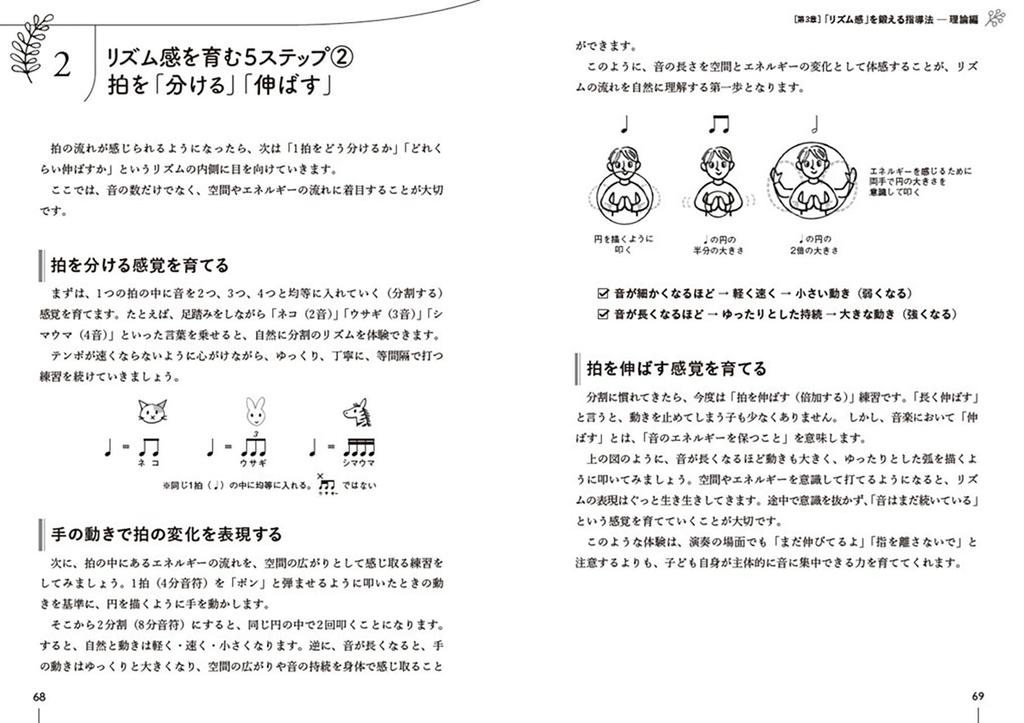
Chapter 3 ● Teaching Methods to Develop "Rhythm Sense" [Theoretical Section] 1. Five steps to cultivate rhythm sense① Developing a sense of beat 2. Five steps to cultivate rhythm sense② Dividing and extending beats Chapter 3: Developing Rhythm Sense in 5 Steps 3. Step 3: Understanding Time Signatures 4. Step 4: Rhythmic Imitation 5. Step 5: Reading and Expressing Rhythms 6. Key Points to Remember When Teaching Note Lengths 7. Tips for Explaining Complex Rhythms Clearly ● Mini Column — Comparing Different Approaches to Rhythm Instruction
[Practical Section] Q13: How to Teach the Difference Between Quarter Notes and Eighth Notes? Q14: Effective Methods for Students Who Play Ignoring Rest Symbols Q15: Where to Start When Students Play in 4/4 Time Instead of 3/4? ...etc.
Chapter 4: Techniques to Develop Pitch Perception [Theoretical Section] 1. Basic Approaches to Cultivating Pitch Perception 2. Three Steps to Developing a Singing Ear 3. Differences Between Absolute Pitch and Relative Pitch, and Key Teaching Points ● Mini Column — What Is the Most Important Aspect of Pitch Perception? 4. Feeling Scales and Chords Through Body with "Uta Hanon®" 5. Introducing "Uta Hanon®" to Develop Two Axes Simultaneously 6. How to Use "Uta Hanon®" to Experience the Resonance of Embellishments 7. Sight-Singing Training That Students Can Enjoy
[Practical Section] Q19: How to Respond When Students Have Absolute Pitch but Do Not Want to Read Sheet Music? Q20: How to Teach When Students Miss the Correct Pitch? Q21: How to Make Students Who Dislike Singing Enjoy It? ...etc.
Chapter 5: Techniques to Strengthen Memorization Skills [Theoretical Section] 1. Basic Knowledge for Developing Students Skilled in Memorization 2. Memorization Instruction Using Aural Skills ① ● Mini Column — Incorporating "Memory Retrieval" Experiences into Daily Life 3. Memorization Instruction Using Aural Skills ② 4. Teaching Methods for Enhancing Memorization Through Pattern Recognition ● Mini Column — Aural Skills and Sight-Singing as Mirrors of Musical Ability 5. Visualizing Music Through "Creating" 〈Columns〉 Reasons Why Even "Good Ears" Should Write Music 〈Columns〉 How Focusing on "Resonance Colors" Can Make a Piece Speak More
[Practical Section] Q25: How to Handle Situations When Encouraging Memorization Leads Students to Avoid Reading Sheet Music? Q26: Can Group Lessons Help Develop Memorization Skills? Q27: Tips for Making Students Who Dislike Memorization Enjoy the Process? ...etc.
Examples of Solfège Materials Based on Research and Practice Conclusion References Information on "Three Major Benefits of Solfège Instruction"
■ About the Author Mika Ojima (Ojima Mika) Daisy Music Academy President. Graduated from Musashino Academia Musicae Graduate School with a major in Piano. Based on experience teaching solfège to over 20,000 children, developed the original method "Uta Hanon®" to help singing and reading sheet music. The innovative teaching method, refined through experience at the Musashino Academia Musicae affiliated music school, has attracted attention, with over 1,000 instructors participating in related courses. Many have expressed joy saying, "My students have improved!" Currently, she presides over Daisy Music Academy, offering courses for instructors nationwide and solfège lessons in response to requests from students both domestically and internationally who want to learn to read sheet music. She aims to improve students' musical fundamentals and promote enjoyable music education.
[Important Notice - For Overseas Customers]
Thank you for purchasing this product. Before using it overseas, please carefully read the following important notices.
1. Laws, Regulations, and Safety Standards This product complies with Japanese safety standards. Before use in your country, please check its compliance with local laws, regulations, and safety standards. Certain product categories (electronics, cosmetics, food, etc.) may require certification in the importing country.
2. Regarding Electrical Products 【Voltage Compatibility】 When using electrical products, please note that they are designed to match Japanese voltage specifications (90-110V). Using them with a different voltage may cause malfunction.
【Plug Type】 Our products use Japanese plug types (Type A or Type B). Please use a conversion adapter as needed.
【Important Notes Regarding Transformers and Adapters】 Transformers adjust the voltage to match the requirements of the equipment. Conversion adapters only change the plug shape and do not adjust the voltage. Using only a conversion adapter without a transformer may damage the product.
[Regarding Liability] We are not responsible for any malfunctions or damage caused by improper use, such as operating the product without a transformer.
3. Language and Manual Product instructions and displays may be in Japanese only. An English version of the manual can be downloaded from our website.
4. Regarding Product Returns and Exchanges Please note that if you wish to return or exchange a product, you will be required to submit a video of the unpacking process.

![L'accompagnamento strumentale e per ensemble è semplice! Emozionante! [con CD]](https://img.joomcdn.net/d9f81336321dc53877a6ac64385b717416a9517f_81_100.jpeg)