[JOOM Certified Store | Japan]
Quality products from Japan, shipped safely to your destination.
[Important Notice]
Items are made for the Japanese domestic market:
- Products: Official Japanese market items (Manufacturing origin varies by model).
- Voltage: AC 100V / Type A plug (Voltage converter may be needed).
- Language: Japanese by default (Unless specified in title/images).
- Region: Please check system compatibility before ordering.
Follow our shop for new arrivals! Please leave a review when your item arrives.
―・―・―・―・―・―・―・―・―・―・―・―・―
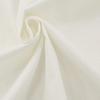
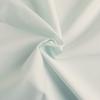
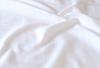
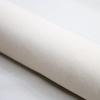
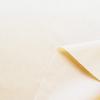
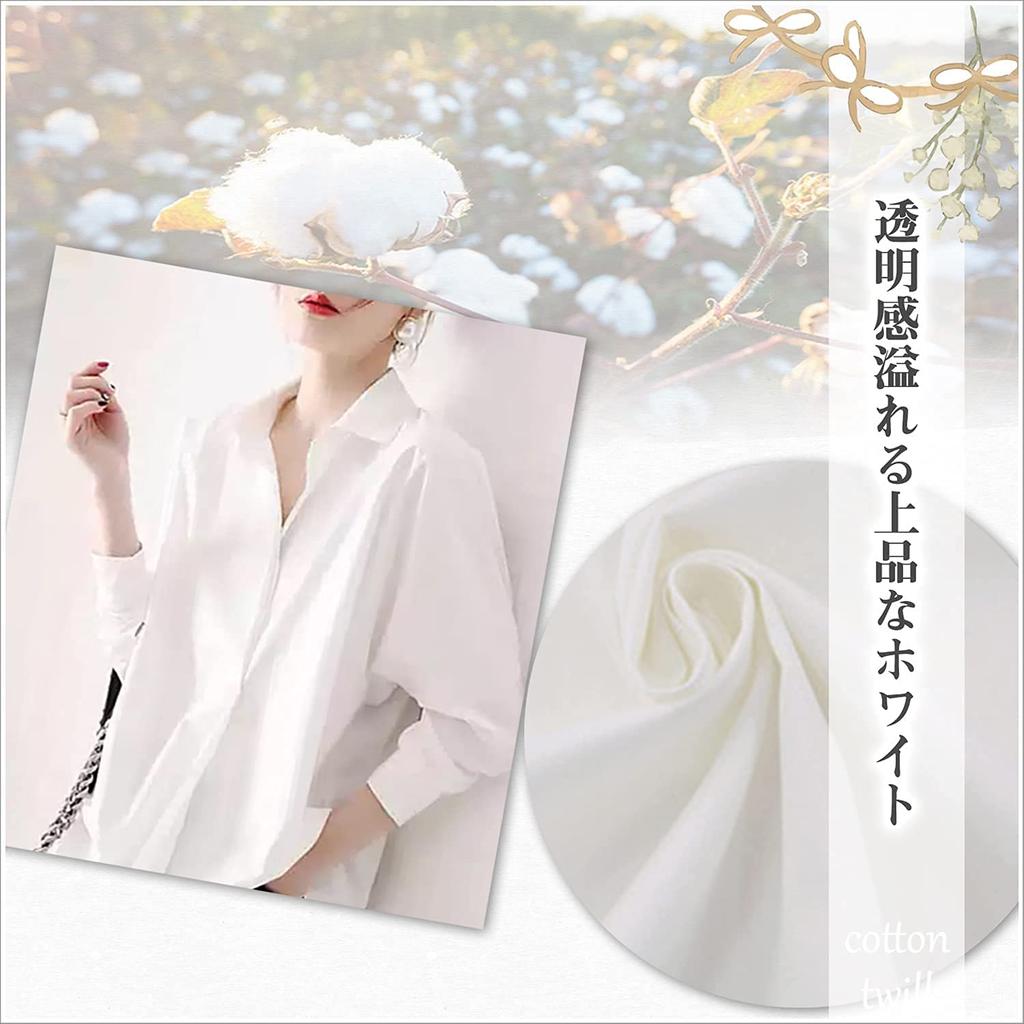
Natural material, 100% cotton, cotton twill fabric, white (plain).
Size: Approximately 2m long x 160cm wide Weight: Approximately 400g (125g/m²)
Twill weave fabrics are less prone to wrinkles and easier to handle compared to plain weave fabrics.
Characteristics of cotton: It has excellent water absorption and moisture-wicking properties, and a smooth texture that feels good against the skin. It is also easy to dye and has good color development. It is a material that is warm in winter and cool in summer. It is not itchy like wool.
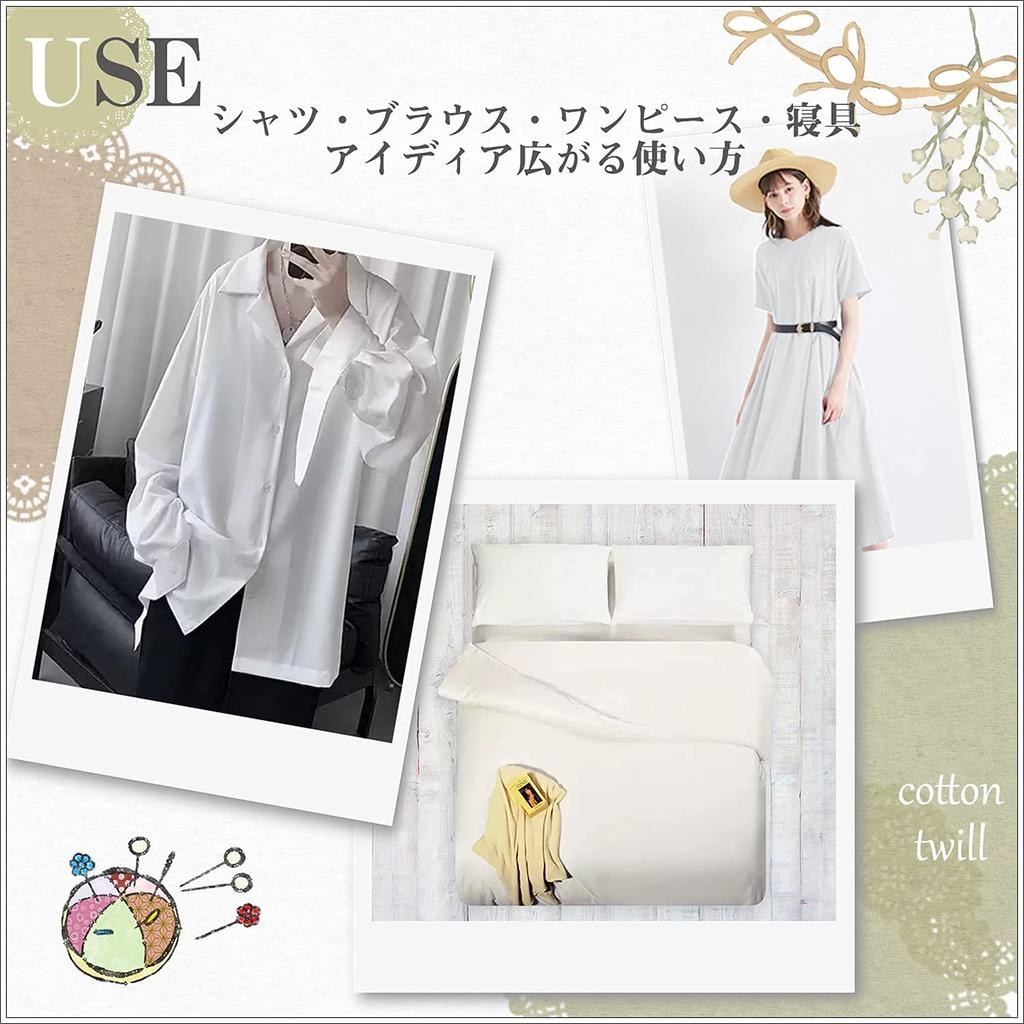
It can be used with a wide range of items, from casual items such as shirts, blouses, skirts, and dresses to more elegant pieces.
The points where the threads intersect form diagonal lines called diagonal lines or twill weaves, which is one of the characteristics of twill fabric.
Uses: Handicrafts, embroidery, privacy screens, cross-stitch, patchwork, DIY, photography backdrops, clothing fabrics, linings, interior decorating, displays, light-blocking fabrics, folk art, doll costumes, etc.
Natural material, 100% cotton twill fabric, white. Size: approx. 2m long x 160cm wide. Weight: approx. 400g (125g/m²). Twill weave fabrics are less prone to wrinkles and easier to handle than plain weave fabrics. Cotton characteristics: Excellent water absorption and moisture absorption, soft to the touch, and smooth texture. It is also easy to dye and has good color development. It is a material that is warm in winter and cool in summer. It is not itchy like wool. It can be used for a wide range of items, from casual items such as shirts, blouses, skirts, and dresses to elegant items. The points where the threads intersect form diagonal lines called diagonal lines or twill weave, which is one of the characteristics of twill fabric. Uses: Handicrafts, embroidery, blindfolds, cross-stitch, patchwork, DIY, photography backdrops, clothing fabric, lining, interior design, displays, blackout fabric, folk art, doll costumes, etc.





 Rimborso per mancata consegna