[JOOM Certified Store]
A Japan-based retailer offering high-quality authentic products.
*** Important Notices (Please Read) ***
We carry a wide variety of products, but please note that many are based on Japanese domestic standards.
- [Home Appliances]: Voltage 100V / Type A plug. (A voltage converter or plug adapter may be required).
- [Games & Media]: May be subject to region locking. Manuals and user interfaces are primarily in Japanese.
* Please check for compatibility with your equipment before purchasing.
* See the bottom of the page for detailed product specifications.
[Shop Information]
- Please "Follow" our store and leave a 5-star review!
―・―・―・―・―・―・―・―・―・―・―・―・―
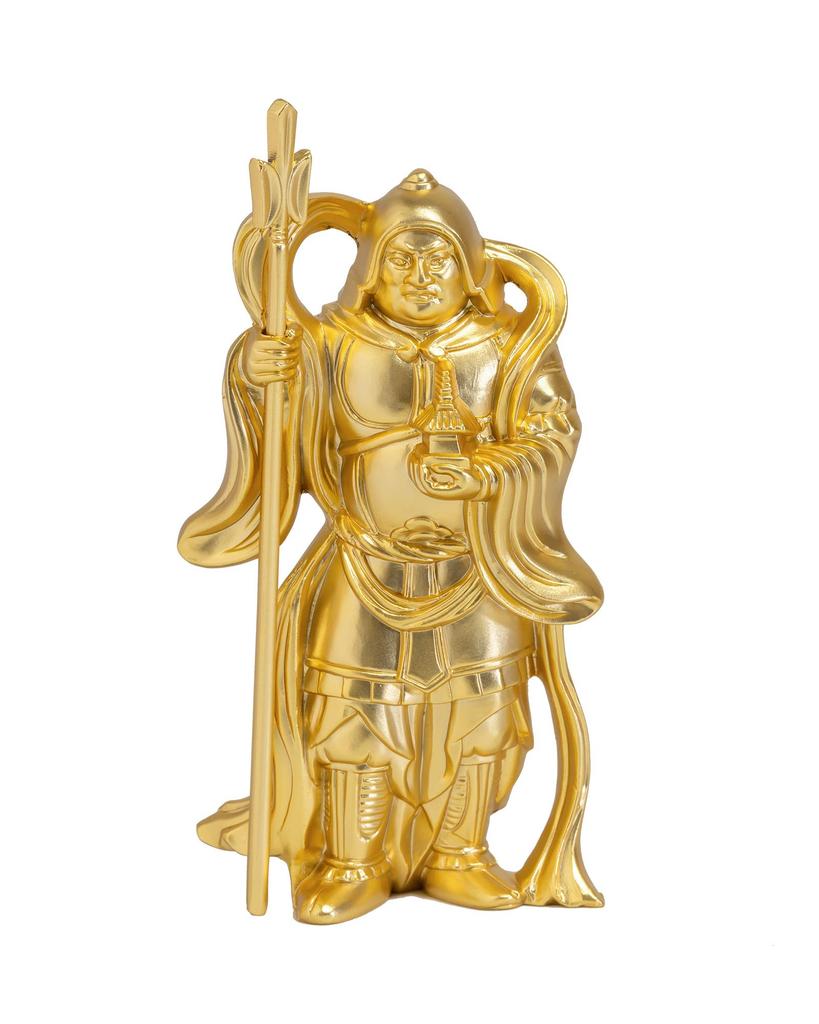
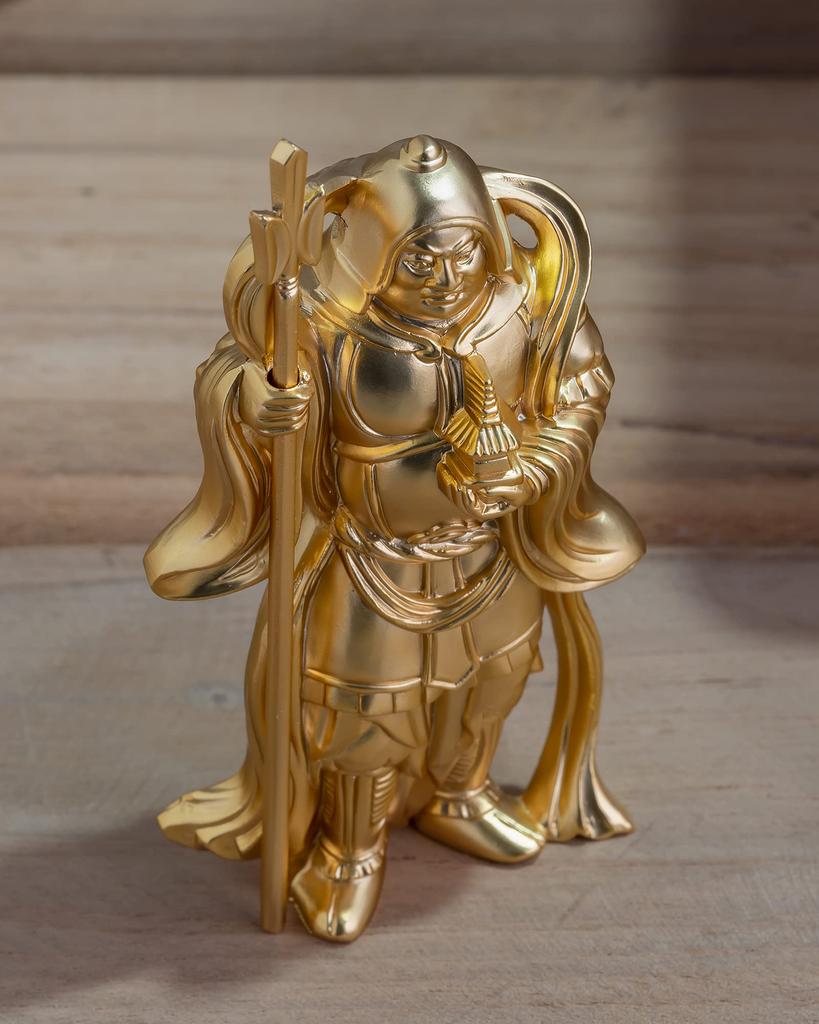
Series: Seven Lucky Gods (Pure Gold Plated)
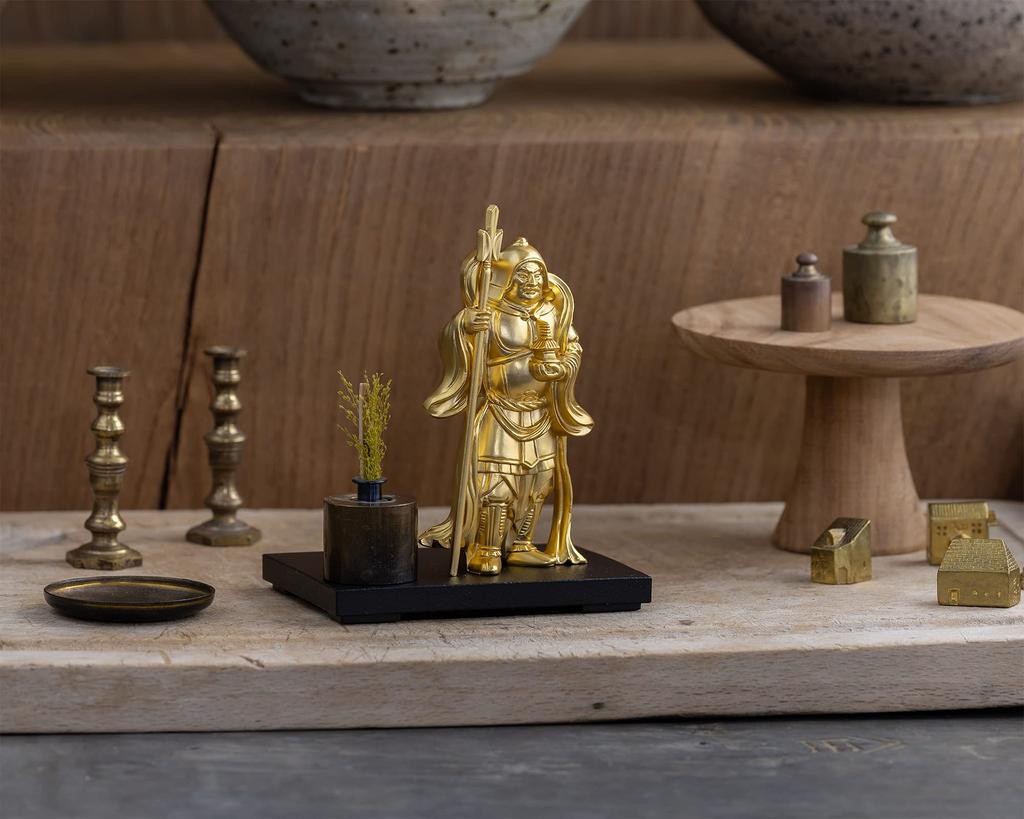
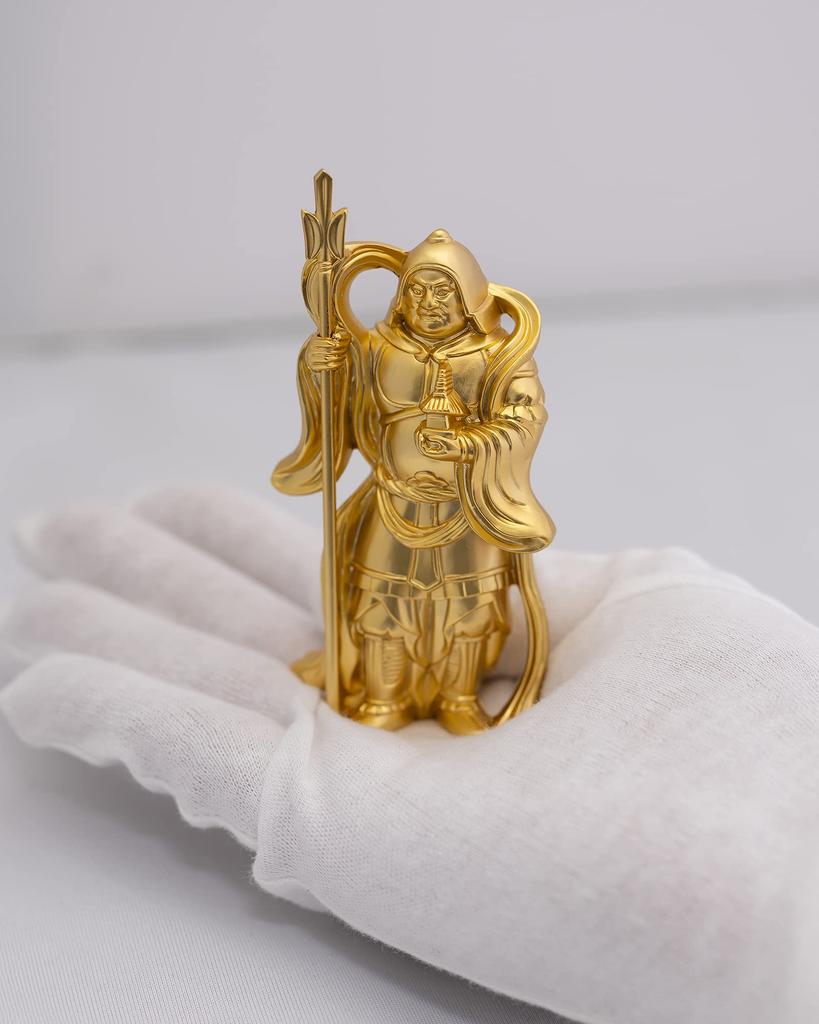
Body size: 10cm high x 5.1cm wide x 2.5cm deep (measured to the tip) Weight: Approx. 270g
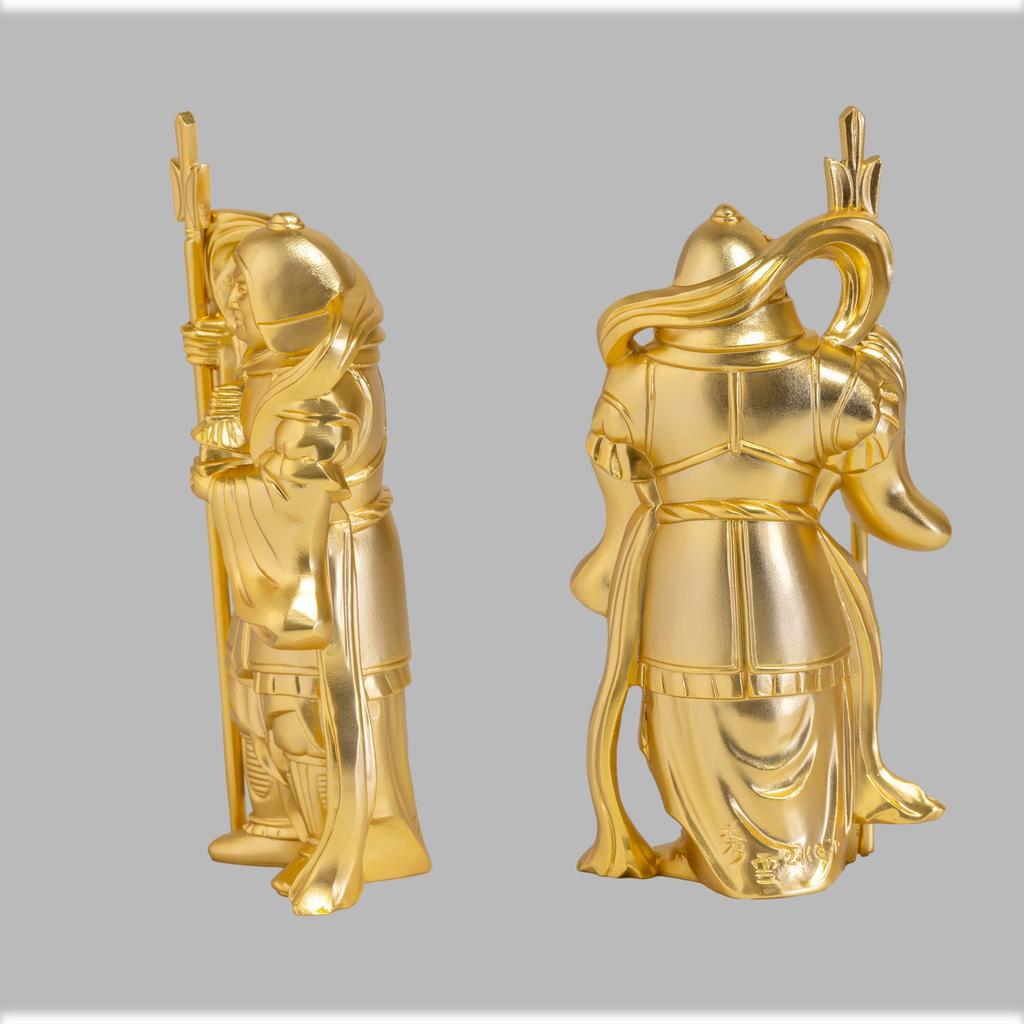
Material: Alloy (modeled by Buddhist sculptor Shuun Makita) with pure gold-plated finish [Takaoka Copperware / Made in Japan]
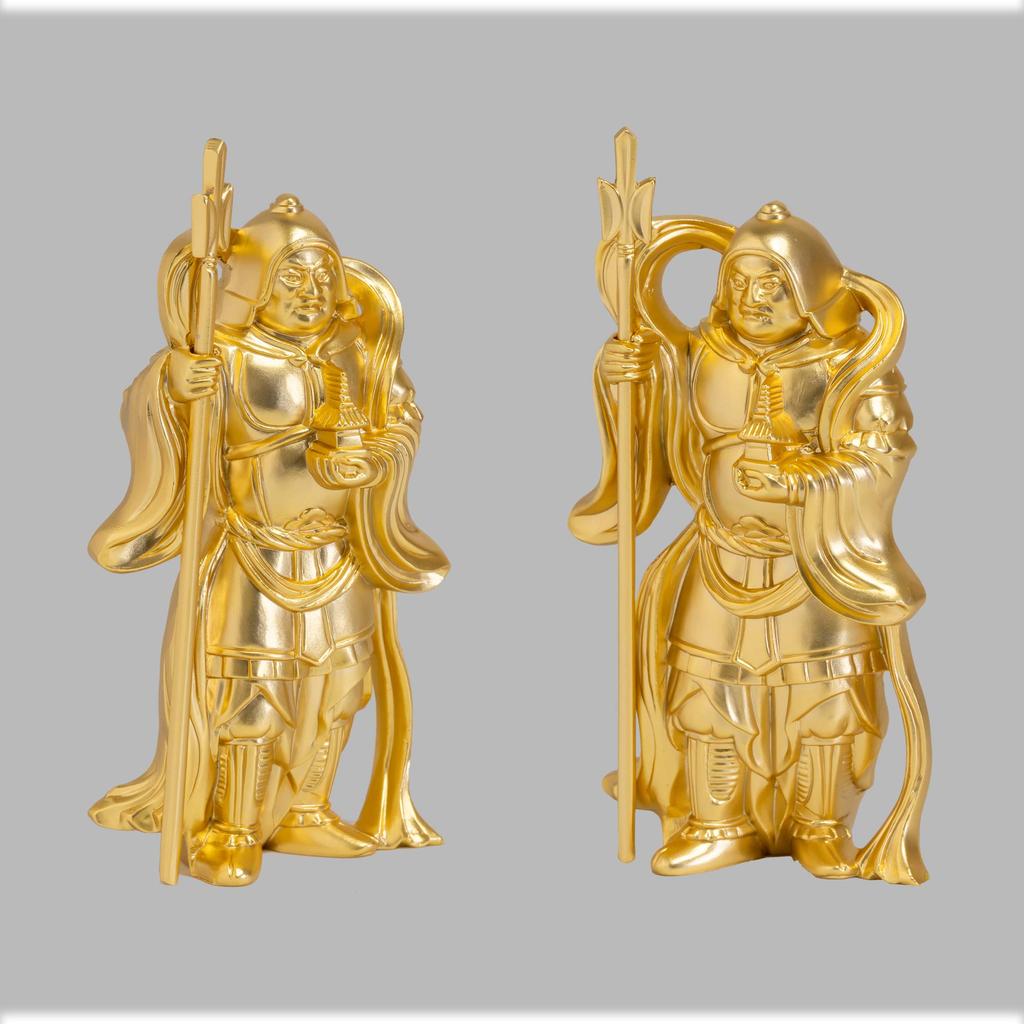
◆Product contents: Main body + spear in gift box
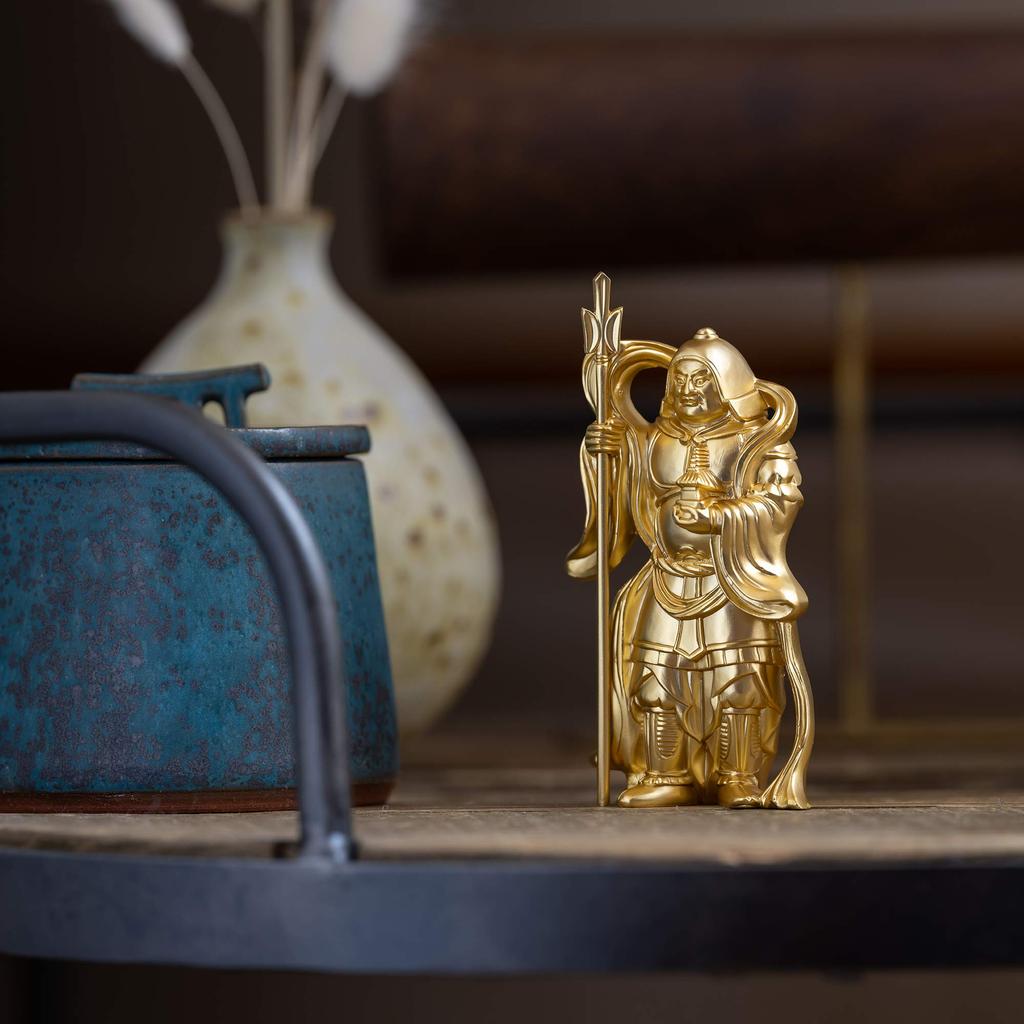
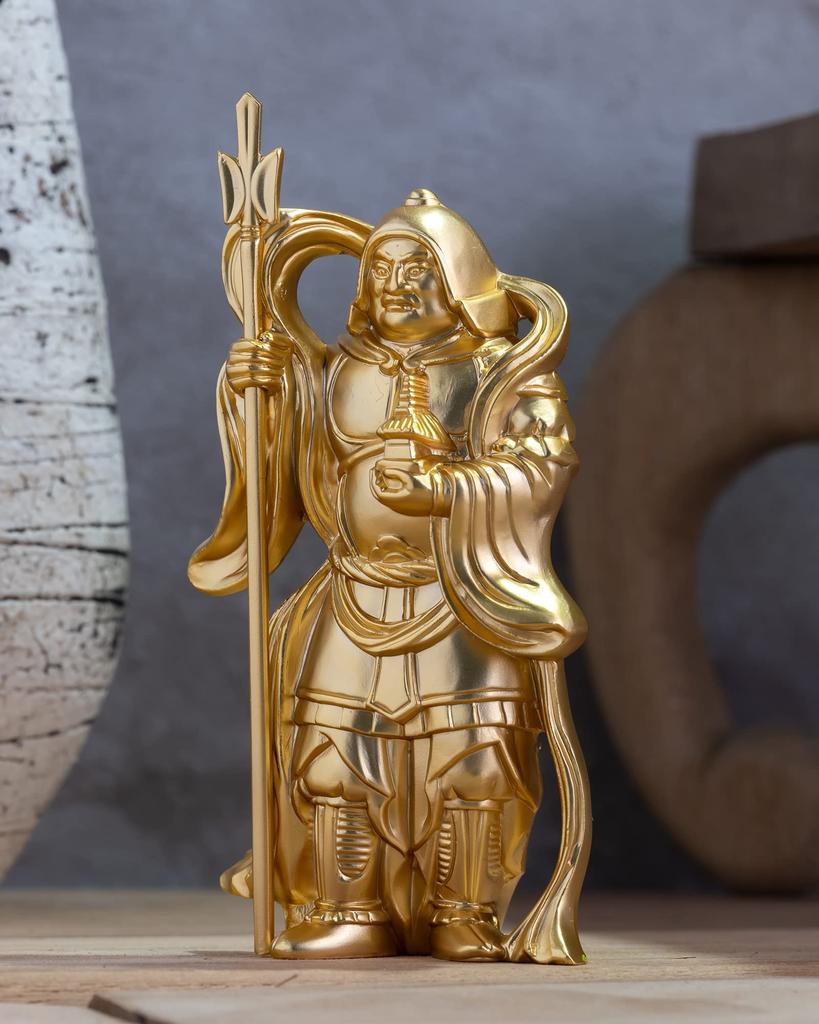
[Protection from misfortune, good fortune, fulfillment of great wishes] He is one of the Four Heavenly Kings, a guardian deity of Buddhism that was introduced from India, and is also known as "Tamonten." In ancient times, he was worshipped by warlords of the Sengoku period as a god of military fortune. He has the appearance of a warlord, holding a spear in his right hand and a pagoda in his left.
[Protection from misfortune, wealth, and fulfillment of wishes] Bishamonten is one of the Seven Gods of Fortune, beloved as gods of good fortune. He is a Buddhist guardian deity introduced from India. He is one of the Four Heavenly Kings and is also known as Tamonten. In ancient times, he was worshipped by warlords of the Sengoku period as a god of military fortune. He is depicted as a warrior, holding a spear in his right hand and a pagoda in his left. The Seven Gods of Fortune are surprisingly little known, but they are actually made up of gods and Buddhas from India, China, and Japan. Belief in the Seven Gods of Fortune began in the late Muromachi period and is said to have become widely established among the common people by the mid-Edo period. Subsequently, customs such as pilgrimages to the Seven Gods of Fortune and treasure ships were born, and today he is beloved as a charming and auspicious deity.



 Rimborso per mancata consegna