[Arne Jacobsen] Arne Jacobsen was one of the most influential architects and designers of the 20th century, born in Denmark, and is considered the father of Danish design, having created the prototype for today's modern Scandinavian design.
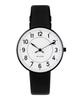
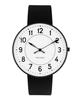
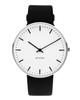
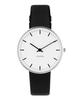
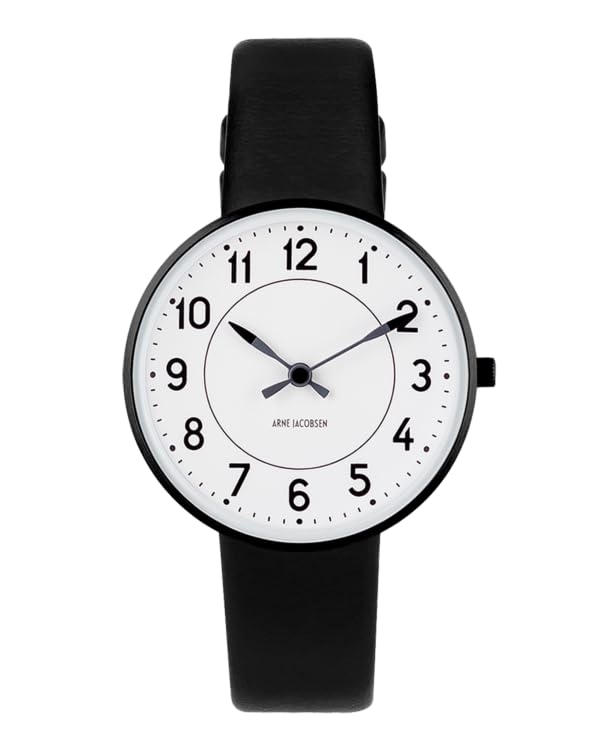
[A Masterpiece of Scandinavian Design] ARNE JACOBSEN watches, with their simple yet elegant design, are representative items of Scandinavia. The 34mm face is versatile enough for a wide range of occasions, from casual to business and formal. The white face exudes cleanliness and sophistication, making it a unisex design suitable for both men and women.
[Minimalist and Beautiful Design] The reason why the legendary Jacobsen design, created in 1943 as a project with Lauritz Knudsen and the first table clock to be released to the market, is called "STATION" is because, at a time when soft, handwritten-style fonts were mainstream and widely used in Europe, Jacobsen adopted a font that prioritized legibility over design aesthetics, following the functional beauty philosophy of the German Bauhaus, and presented the simplest clock that blended seamlessly into any space. This clock design spread rapidly throughout Denmark after its release. "Train stations" are places where the vast majority of the population needs to see a clock, and this simple and universal clock design was adopted in railway stations. It blended in so naturally, as if it had always been there, and became an important tool for telling time to many people.
[Water-resistant for everyday use] With its water-resistant design, this watch is resistant to light splashes and rain, making it perfect for everyday wear. It's a reliable timepiece for a variety of occasions, from business settings to casual everyday styles.
Movement: Japanese quartz Crystal: Mineral crystal Average monthly deviation: ±15 seconds Water resistance: 3 ATM Case material: Stainless steel Case back material: Stainless steel Size: Width 34mm Official warranty: 2 years Accessories: Official warranty card/Dedicated case
The reason why the legendary Jacobsen design, created in 1943 as a project with Lauritz Knudsen and the first table clock to be released to the market, is called "STATION" is because, at a time when soft, handwritten-style fonts were mainstream and widely used in Europe, Jacobsen adopted a font that prioritized legibility over design aesthetics, following the functional beauty philosophy of the German Bauhaus movement. He presented a clock that was the simplest and most inviting, blending seamlessly into any space. This clock design spread rapidly throughout Denmark after its release. "Train stations" are places where the vast majority of the population needs to see a clock, and this simple, universal clock design was adopted in railway stations. It blended in so naturally, as if it had always been there, becoming an important tool for telling time to many people. The Lauritz Knudsen Museum has a collection of clocks with the same font as STATION. STATION, the first clock to feature a black case and Arabic numerals, remains a versatile product that naturally harmonizes with the atmosphere, interior, and landscape of any space even today.
.


 No-delivery refund