This book is Tetsuko Kuroyanagi's autobiographical story, beginning with Totto-chan being expelled from school in the first grade. Kuroyanagi herself only found out about her expulsion after she became an adult. We wanted children of the same age to read about what Totto-chan, who knew nothing about the situation, was thinking, feeling, and living each day to the fullest, so we have re-edited it into a picture book for younger children.
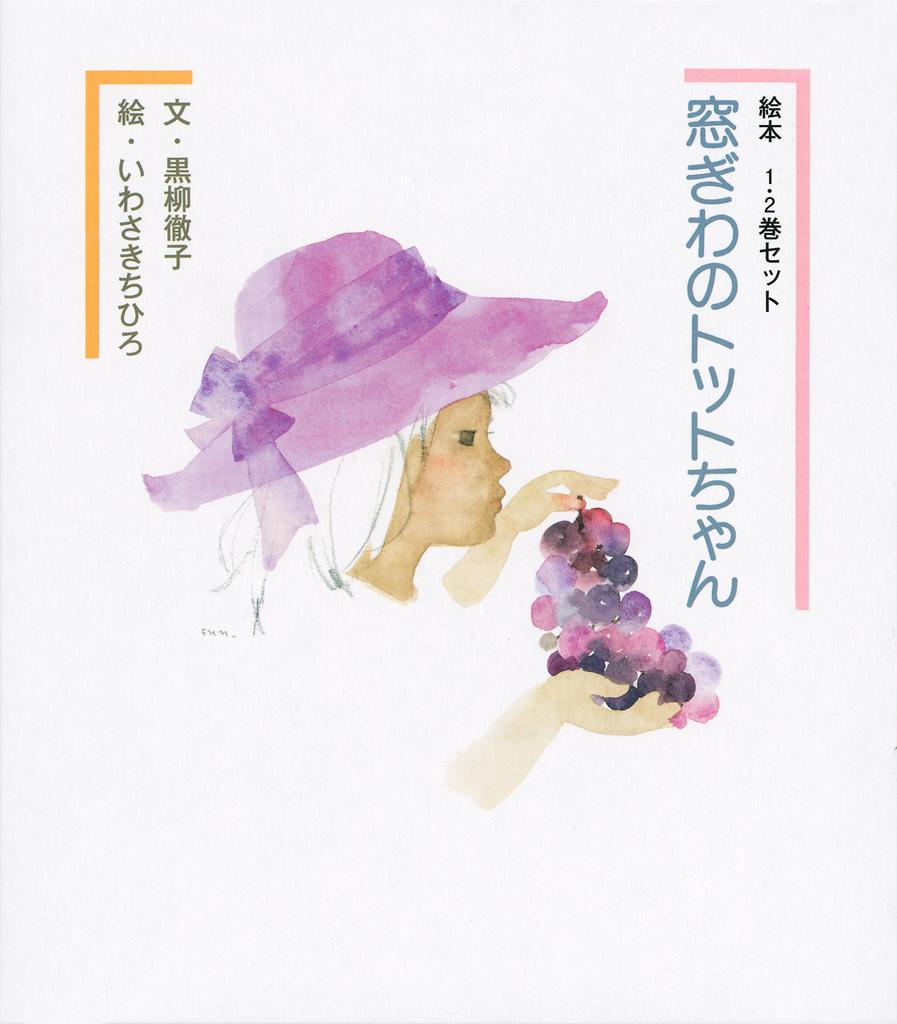
The post-war bestseller, "Totto-chan at the Window," has now been made into a picture book.
This book is Tetsuko Kuroyanagi's autobiographical story, beginning with Totto-chan being expelled from school in the first grade.
Soon after enrolling, Totto-chan gets into all sorts of problems. When her homeroom teacher calls her mother, she is told, "Please take her to another school!" After searching hard for a new school, her mother decides to send her to Tomoe Gakuen in Jiyugaoka because "she liked Totto-chan." Trains were used as classrooms, students studied their favorite subjects first, and students competed for a seat at the principal's desk during lunch break - everything about this unique school helped Totto-chan grow into a strong, emotionally rich child.
The story vividly depicts moments that were etched in Totto-chan's heart as a child, such as how each student at school had their own tree and how they desperately tried to "invite" the sickly Yasuaki-chan to climb one of theirs; only for him to eventually become ill and die; and the sports day program designed to enable the disabled Takahashi-kun to win.
Soon, the war cast a shadow over Tomoe and Totto-chan's life. Ryo-chan, the school's janitor, was sent off to war; the caramel vending machine in Ookayama stopped selling candy; Totto-chan's father debated whether to go play military songs on the violin; and finally, Tomoe was burned down in an air raid.
Kuroyanagi says she didn't find out about her expulsion until she was an adult. I would love for children of the same age to read this book to find out what Totto-chan, who had no idea about all this, was thinking, feeling, and living each day to the fullest.
To make it easier for children to handle, it has been divided into two volumes, and furigana is provided for all kanji. It features over 100 illustrations by Iwasaki Chihiro, and volume 2 also includes a new manuscript by Kuroyanagi. At Kuroyanagi's request, "I want people to read to the end, right up to the point where Tomoe burns down," it is being sold as a set only.
2015 marks 70 years since the end of the war. This picture book will also help you think about war.


 No-delivery refund


![[CD] Ongaku Monogatari [Madogiwa No Totto Chan] / Conductor Yasushi Akutagawa](https://img.joomcdn.net/f585ff46014022bdb9e6f95882db8c221b7cc1d5_100_100.jpeg)